
Insurance in France · in plain English
Whatever life in France brings, it shouldn’t be lost in translation. Our bilingual team makes Imported Vehicle Insurance in France clear and simple – backed by Generali.
Fast, free and tailored to your needs – reply within 24 hours.
Imported vehicle insurance in France is a specialist product – and finding the right policy is harder than it sounds. Standard French insurers often refuse to quote on foreign-registered or non-EU vehicles, leaving expats and collectors without cover. Whether you have shipped a car from the US, brought a right-hand-drive from the UK, or own a classic Japanese import, Best French Insurance provides tailored solutions through Generali for vehicles that fall outside the standard market. Our bilingual team, based in Cognac, has been helping English-speaking residents across France for over 20 years.
Get my free quote →
Backed by Generali
As an official Generali agency, we pair local, English-speaking service with the solidity of one of the world’s leading insurers.
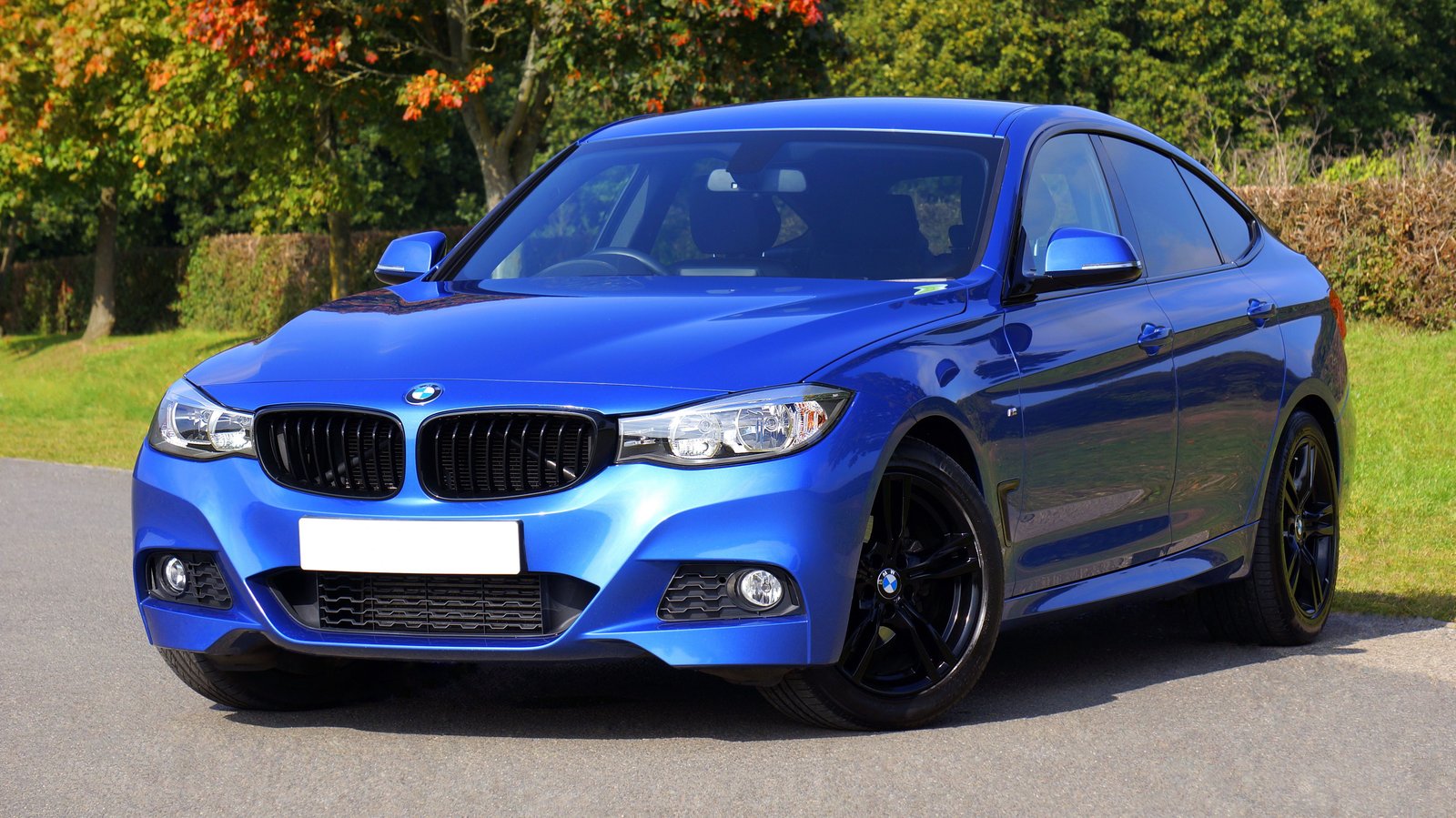
Getting the right imported vehicle insurance in France requires understanding why standard insurers struggle with these cases. Importing a vehicle triggers a specific set of administrative and insurance requirements that do not apply to locally purchased cars. Most mainstream insurers price these risks poorly – or simply decline them. Understanding why helps you find the right agency from the start.
Before an imported vehicle can be registered in France, it must pass a technical compliance process called réception à titre isolé (RTI). This confirms the vehicle meets EU safety and emissions standards. Insurers need to know whether this process has been completed, since an unregistered vehicle cannot be driven legally on French roads. Our advisors will confirm what applies to your vehicle's current status from the outset.
Mainstream French insurers use automated pricing models built around French-market vehicles. Imported cars – particularly right-hand-drive models, grey imports, or vehicles with non-standard specifications – fall outside those models entirely. The result is either a refusal or an uncompetitive quote. As a Generali agency, we assess each case individually, which produces accurate pricing and appropriate cover rather than a blanket rejection.
Right-hand-drive cars are legal in France but some insurers penalise them heavily or refuse cover altogether. Best French Insurance works with Generali's specialist underwriting team to provide competitive cover for RHD vehicles without loading the premium simply because of the vehicle's origin.
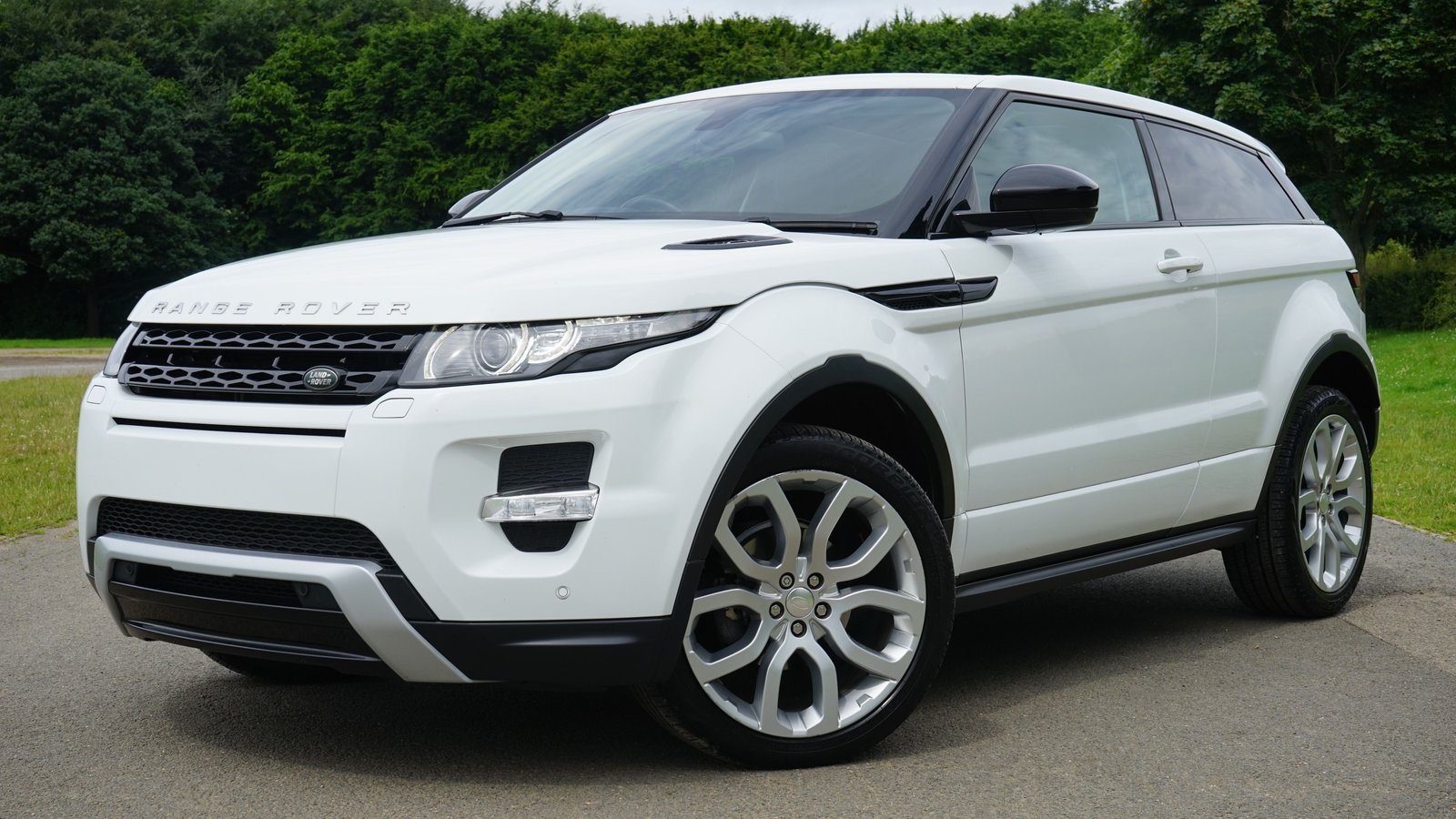
Our imported vehicle insurance covers a far wider range of vehicles than standard French market policies. If your vehicle has been legally brought into France and you can provide documentation, cover is available for a wide variety of types, including:
Each case is assessed individually. Your advisor will ask for the vehicle's registration documents, proof of homologation where applicable, and any valuation certificates for classic or high-value cars.
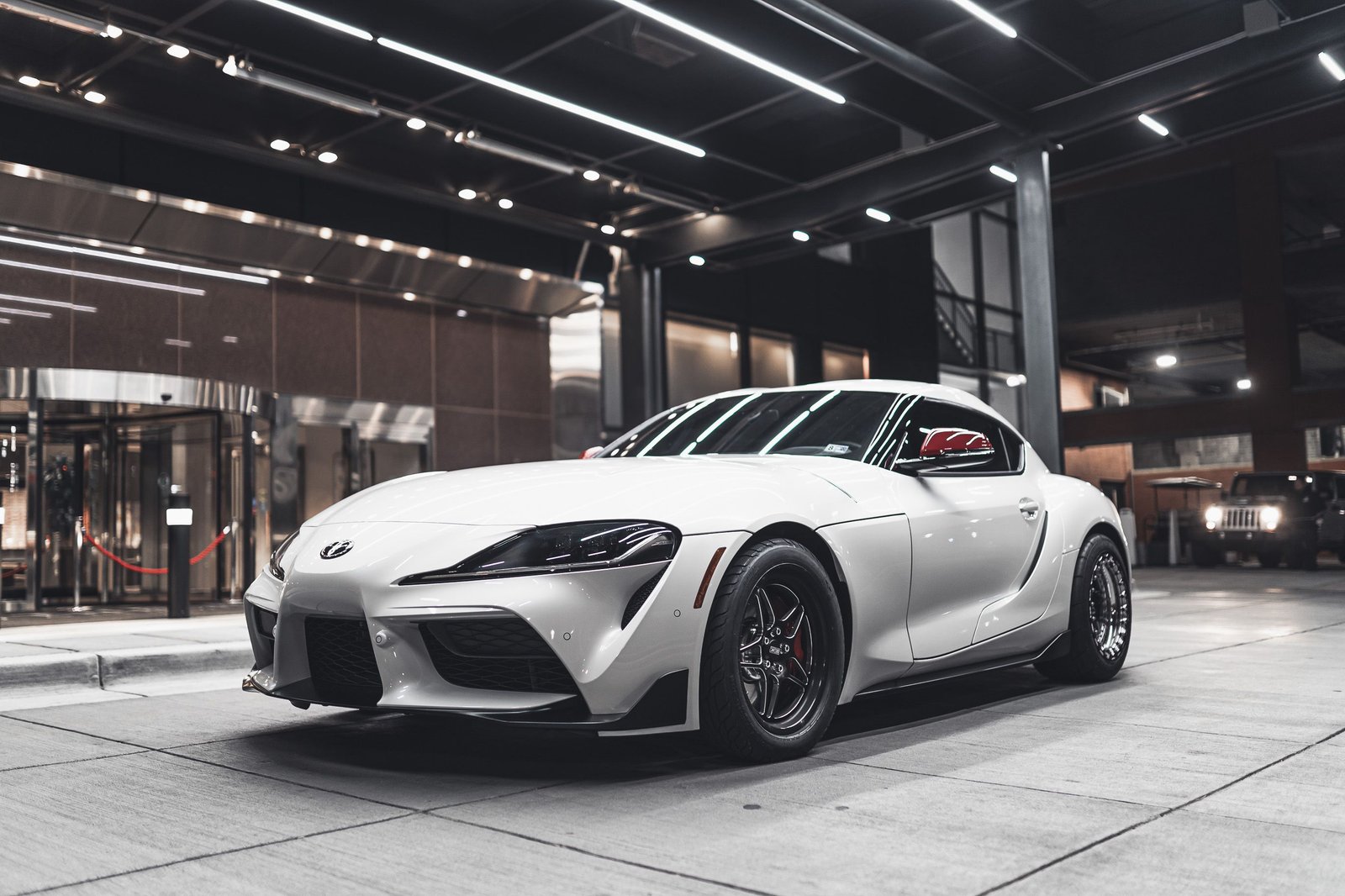
A specialist imported vehicle insurance policy provides the same core protections as a standard French auto policy, with additional provisions tailored to the specific characteristics of your car. The right level of cover depends on the vehicle's value, age, and how you use it.
French law requires a minimum of third-party liability cover (responsabilité civile) for any vehicle driven on public roads. This covers damage or injury caused to third parties. Without it, you are committing a criminal offence – not just a motoring one. Best French Insurance ensures your policy meets this legal minimum from day one, with cover issued in as little as 24 hours.
For imported vehicles – especially classics or rare models – the standard market valuation tools used by mainstream insurers are unreliable. An agreed-value policy sets the insured amount at the start of the contract, based on a professional valuation. In the event of a total loss, you receive that agreed amount rather than a depreciated market estimate. This matters enormously for vintage cars, collection vehicles, and well-maintained imports that hold or increase their value over time.
Sourcing parts for an imported vehicle in France can be slow and costly. Depending on the policy chosen, breakdown assistance and recovery are available. Your advisor will confirm which options apply to your specific vehicle type and usage.
Having the right imported vehicle insurance in France matters – but knowing what to do at the roadside matters just as much. France uses a standardised accident report form – the constat amiable – which both drivers are legally expected to complete and sign at the scene. This document determines how liability is apportioned and triggers the claims process. Best French Insurance provides English-language guidance on completing the constat amiable correctly, since errors or ambiguous entries can complicate or delay a claim.
For imported vehicles, the claims process has one additional layer of complexity: repair estimates and parts sourcing. French garages are not always equipped to work on non-European models, and parts for certain imports – Japanese kei cars, American trucks, older UK models – may need to be ordered from abroad. Some Generali policies include provisions for specialist repair networks or authorise repairs at approved overseas garages. Your advisor will confirm what applies to your vehicle when arranging your cover, so there are no unpleasant surprises if you ever need to make a claim.
Imported vehicle insurance in France is only one part of the cost of bringing a vehicle here. Before a non-EU import can be registered, several fiscal obligations must be settled – and understanding them upfront avoids delays that can leave you without legal cover for longer than expected.
Vehicles imported from outside the EU are subject to customs duty and VAT. The standard VAT rate applied to imported vehicles is 20%. Customs duty varies depending on the vehicle's country of origin and its classification – passenger cars from the US typically attract a 6.5% duty, while rates for other origins differ. These amounts are calculated on the vehicle's customs value (generally the purchase price plus shipping and insurance costs). The customs clearance process produces the quitus fiscal document, which is mandatory for registration and which your insurer may request as proof that the vehicle has been legally imported.
Vehicles imported from within the EU – including post-Brexit UK vehicles – are exempt from customs duty but may still be subject to VAT depending on the circumstances of the purchase. A vehicle bought new in the UK and imported to France within six months of first registration is treated as a new means of transport for VAT purposes, even if it has been driven. Our advisors regularly work alongside clients navigating these steps and can point you toward the right administrative contacts to avoid costly mistakes.
Arranging imported vehicle insurance during the re-registration process requires matching your cover to each administrative stage. The carte grise requires several steps after RTI homologation: a customs clearance certificate (quitus fiscal) for non-EU vehicles, a certificate of conformity or equivalence, and a valid roadworthiness test (contrôle technique) for vehicles over four years old. Insurers need to see proof that the vehicle is legally registered before issuing a standard long-term policy. However, temporary cover can be arranged during the re-registration period, which is important for vehicles that need to be driven to inspection centres or customs offices. Contact our Cognac team as early as possible so we can match your cover to each stage of the paperwork.
Not every imported vehicle is used year-round, and imported vehicle insurance in France can be tailored to reflect that. Classic cars, vintage American muscle, and collection pieces are often driven only during the warmer months or for specific events – rallies, concours, private tours. Insuring these vehicles on a standard annual all-risks policy can mean paying for cover you simply do not need for large parts of the year.
Seasonal or limited-mileage policies are a cost-effective alternative for low-use vehicles. These contracts restrict cover to a defined period or a maximum annual mileage – typically between 2,500 and 7,500 km – in exchange for a significantly lower premium. The vehicle must be stored in a declared location (a garage or secure premises) outside the covered period, and the policy must accurately reflect how the car is used. Misrepresenting usage – for example, declaring low mileage but using the vehicle regularly – can invalidate a claim.
For collection vehicles held as assets rather than driven regularly, a dedicated collection policy covers multiple vehicles under a single contract, often with agreed values set individually for each car. This simplifies administration considerably and ensures that each vehicle in the collection is protected at its true market value rather than a generic depreciated estimate.
When the time comes to sell, your imported vehicle insurance policy does not automatically transfer to the new owner. Beyond the insurance side, the buyer will need to be satisfied that the vehicle's homologation and registration history is complete and traceable. A well-documented RTI file and a clean carte grise history significantly ease the sale and protect the vehicle's resale value.
From an insurance perspective, your policy does not automatically transfer to a new owner. It must be cancelled or amended at the point of sale. French law requires you to notify your insurer of the sale within a defined period and to provide the buyer with a certificat de cession (transfer certificate). Until the buyer arranges their own cover, the vehicle should not be driven. Our Cognac team can handle the policy termination process and confirm the correct steps so the administrative side of the sale goes smoothly.
We are a real Generali agency based in Cognac – not a comparison website, not a call centre. When you contact us for imported vehicle insurance, you speak directly with a bilingual advisor who understands both French insurance law and the specific challenges faced by expats importing vehicles. There is no automated response system, no language barrier, and no unnecessary paperwork.
Our team has over 20 years of experience supporting English-speaking clients across all of France. That means we have seen almost every import situation before – and we know how to handle it efficiently. Quotes are free and without obligation, and coverage can be activated within 24 to 48 hours of signing.
If you own other vehicles in France alongside your import, visit our French vehicle insurance page to explore the full range of cover we provide – from motorbikes and scooters to caravans and agricultural vehicles.
5/5 on Google
“Jennifer and all the staff were wonderful. They helped us navigate the French system with English documents – patient, efficient and very informative. I would wholeheartedly recommend them.”
“Friendly fast service. I was so happy to have received help with my insurances by someone who spoke English, as my French is not good. Really good to receive this service. Thank you 🙂”
“A really good experience. The folks in the Cognac office all speak excellent English and are really helpful. They explained the jargon clearly.”
“Excellent start to finish. Chantal at the Cognac office is an absolute and pleasurable asset – makes life so easy and speaks perfect English. Couldn’t be more helpful or professional.”
FAQ
More cover
Protect your home and belongings with straightforward, easy-to-understand policies designed for English-speaking expats.
Learn more →Comprehensive health cover tailored to your needs, without deciphering complex French policies.
Learn more →Protect your business in France with cover explained in plain English, from liability to company vehicles.
Learn more →Fill out our form for a personalised quote – or contact us and we’ll get back to you within 24 hours. Fast, free and tailored to your needs.
More vehicle cover
Young Driver Insurance for English speakers, backed by Generali – free, no-obligation quote in 24h.
Learn more →Expat Car Insurance for English speakers, backed by Generali – free, no-obligation quote in 24h.
Learn more →Rental Car Insurance for English speakers, backed by Generali – free, no-obligation quote in 24h.
Learn more →Van Insurance for English speakers, backed by Generali – free, no-obligation quote in 24h.
Learn more →